




Description
Molded Pulp Inserts For Cleaner Product Protection
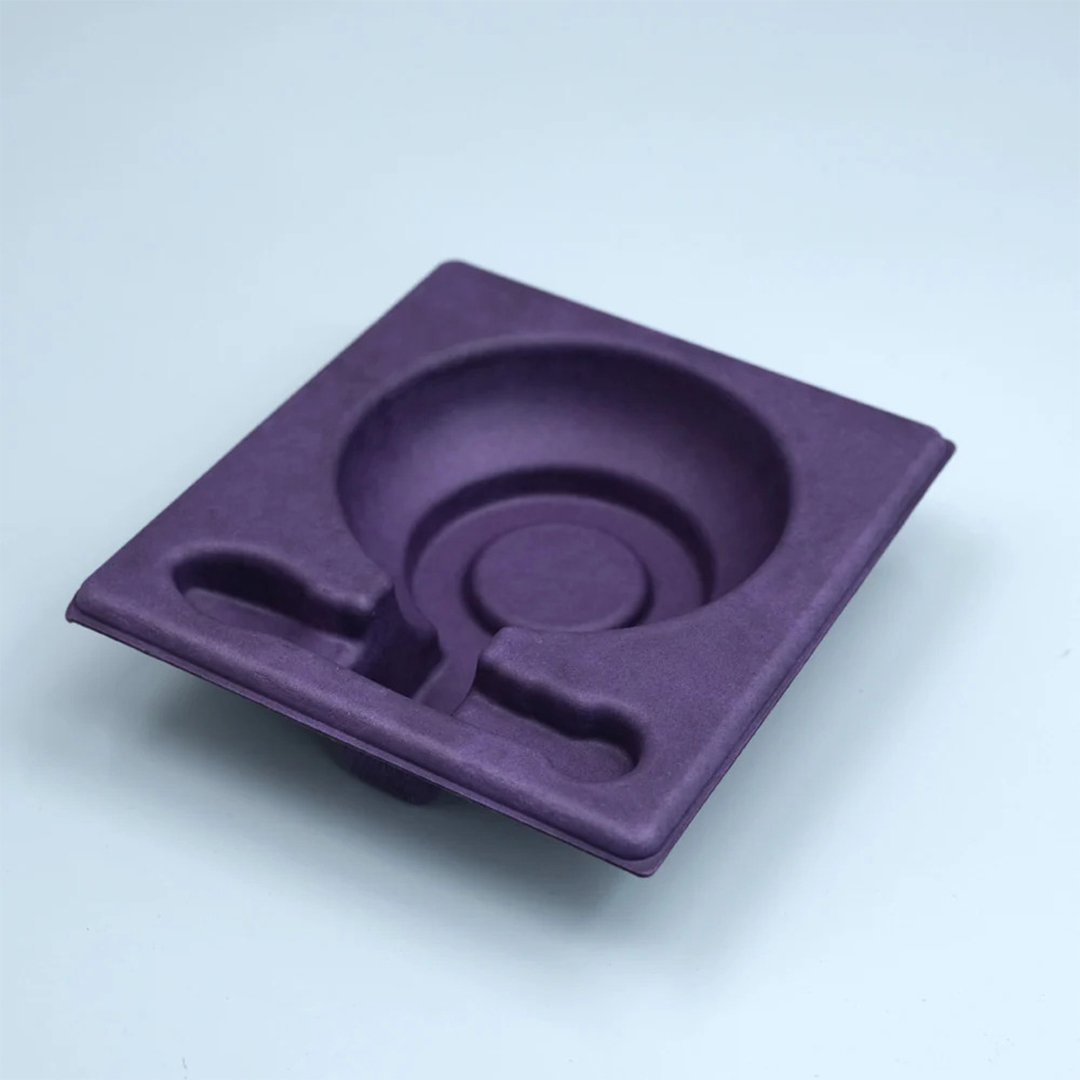
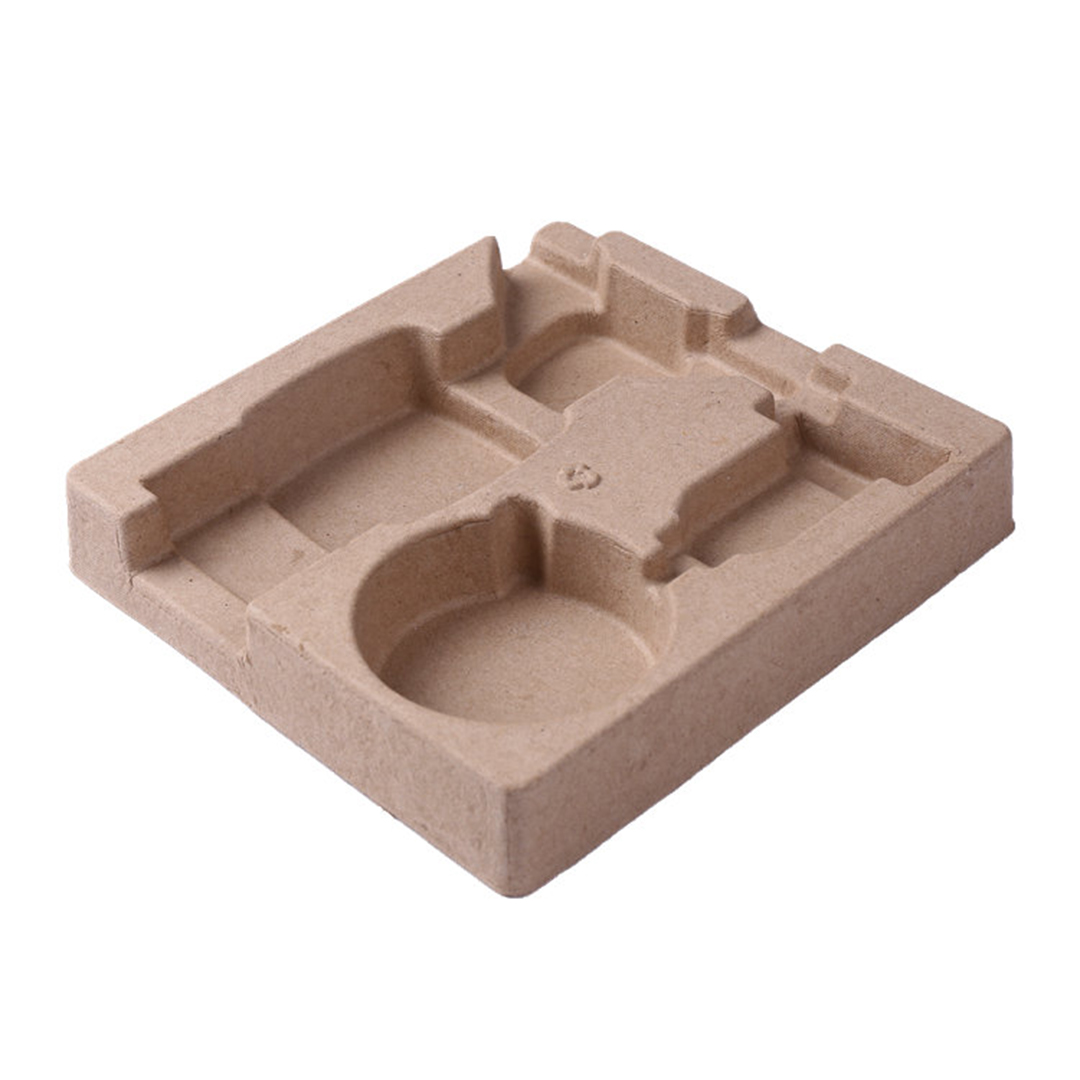
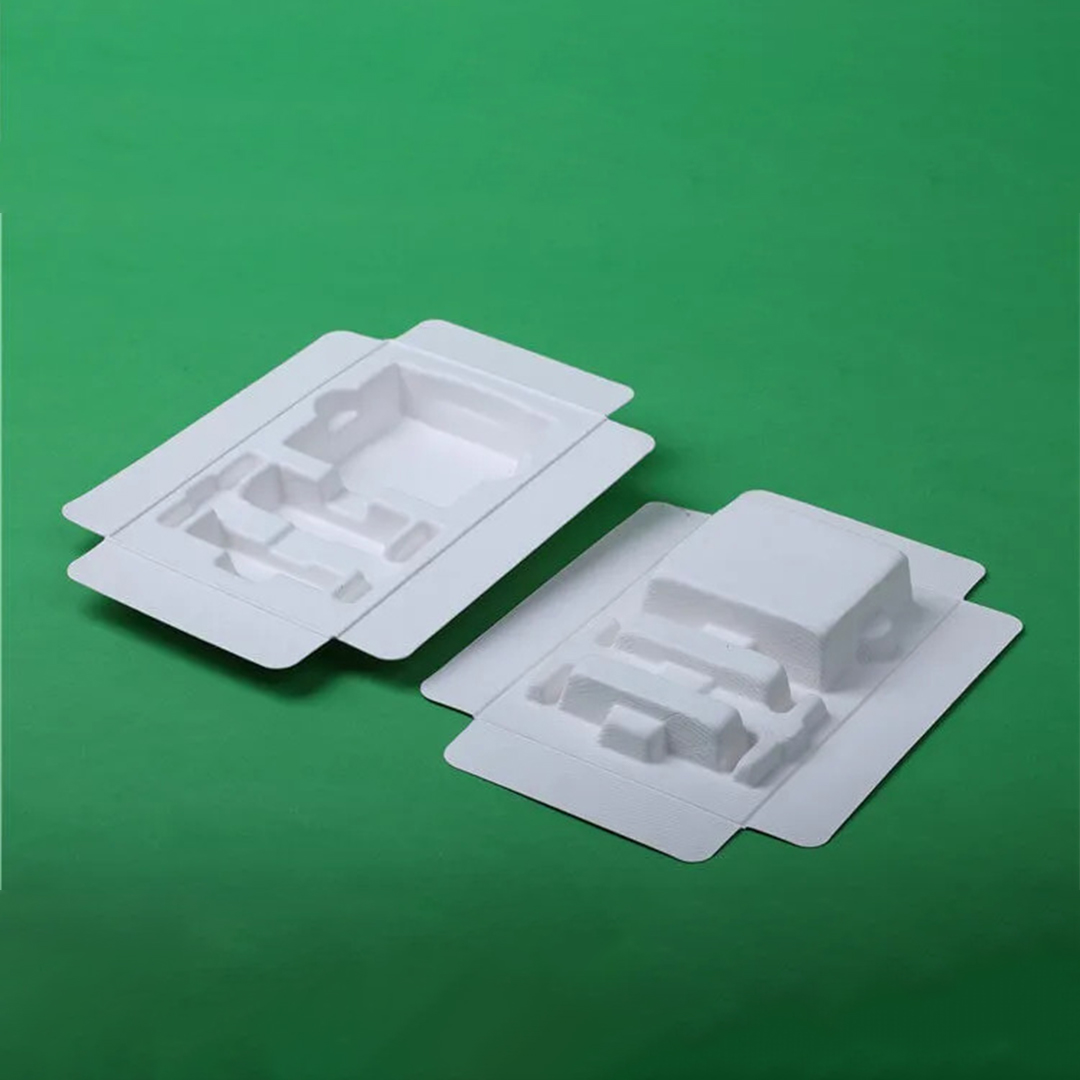
Molded pulp inserts help brands pack products with safer spacing, firm support, and a clean inner layout. These inserts are made from molded fiber material and shaped to hold products inside boxes, cartons, mailers, and retail packaging.
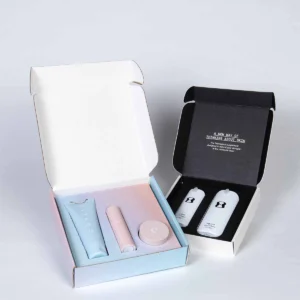
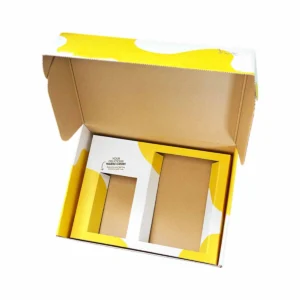
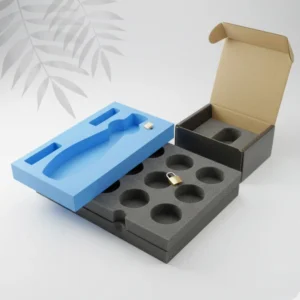
For grouped products that need separated spaces, Box Divider Inserts can also support organized packing, while molded pulp inserts work well when brands need shaped cavities and natural material support. We at Inserts Hub offer Molded Pulp Inserts at wholesale prices with custom sizes and styles available.
Custom molded pulp inserts For Safer Packing
Custom molded pulp inserts are shaped paper-based inserts made to support products inside packaging. They help keep items from moving too much inside the box and reduce direct contact between products.
These inserts are often used for bottles, jars, candles, cosmetics, food items, gift products, and retail sets. The molded shape helps each item sit in a fixed space.
Main product uses
- Helps keep products secure inside boxes
- Supports fragile and shaped items
- Reduces product movement during handling
- Works for single products and multi item packs
- Adds a natural molded fiber look
- Custom sizes and styles available
How buyers choose the right molded insert
- Measure the product length, width, height, and weight.
- Confirm the inner box or carton size.
- Decide how many products need support.
- Choose cavity depth and molded shape.
- Review printing, coating, and finish needs.
| Feature Focus | Available Detail | Material Options | Finishing Choices | Usage Application |
|---|---|---|---|---|
| Product Hold | Molded cavities for fixed placement | Molded pulp, molded fiber, paper pulp | Plain or printed finish | Bottles, jars, candles, cosmetics |
| Product Spacing | Separate areas for each item | Recyclable molded pulp inserts | Natural surface finish | Gift packs and retail boxes |
| Inner Support | Helps reduce product movement | Molded paper pulp inserts | Clean molded texture | Food items and sample kits |
| Box Fit | Made around product and box size | Biodegradable pulp inserts | Custom printed outer packaging | Product sets and carton packing |
Why Molded Pulp Packaging Inserts Matter
Molded pulp packaging inserts matter because many products need more than a flat divider. A molded cavity can hold the item from the base, sides, or key contact points.
This helps reduce shaking inside the box. It also keeps products arranged in a clean way when the buyer opens the package.
Molded Fiber Inserts For Product Control
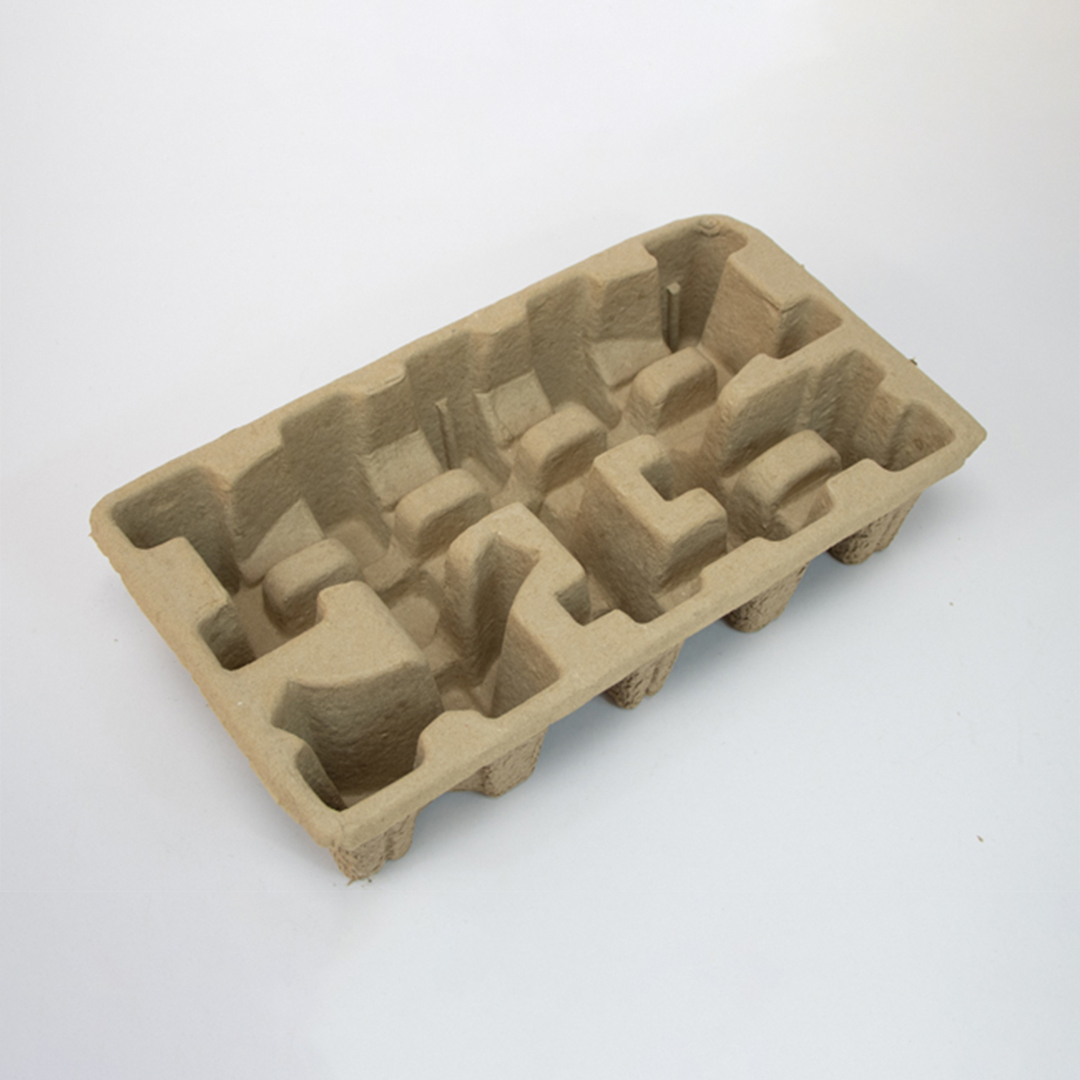
Molded fiber inserts use pressed fiber material to create product-shaped spaces. This material can support lightweight and medium-weight items while keeping the packaging simple and neat.
The insert shape depends on the product size. A bottle, jar, candle, or cosmetic container may need a different cavity depth and edge support.
Details buyers should confirm
- Product size and weight
- Product shape and fragile areas
- Inner box dimensions
- Product count per pack
- Cavity depth and spacing
- Material thickness and finish choice
Steps for better molded insert planning
- Measure the product at its widest point.
- Share the exact inner box size.
- Choose single or multi cavity layout.
- Select molded pulp thickness.
- Review the insert sample or layout proof.
| Feature Focus | Available Detail | Helpful Note |
|---|---|---|
| Product Fit | Molded around product shape | Exact sizing improves placement |
| Cavity Depth | Based on product height | Helps reduce loose movement |
| Spacing | Separate molded areas | Helps avoid product contact |
| Material Feel | Natural molded fiber texture | Good for simple packaging styles |
| Packing Flow | Clear product placement | Helps staff pack neatly |
Better Spacing For Product Boxes
Molded pulp inserts help create a steady inner structure for products packed inside boxes and cartons. They can support products from the bottom and sides without using loose filler.
Many brands use Product box inserts when they need safer product spacing, grouped product layouts, and better inner support for retail or wholesale packing. Molded pulp can help keep the inside of the box clean and easy to handle.
Pulp Packaging Inserts For Daily Product Needs
Pulp packaging inserts are suitable for products that need a molded support base. They can hold one item or several products in one box.
The insert may include round cavities, square spaces, raised edges, tray sections, or separated wells. These details help products stay where they should be.
Common layout choices
- Single product cavity
- Multi-product molded tray
- Raised edges for extra support
- Separate wells for small items
- Molded corners for product control
- Open top layout for easy removal
Products are often packed with molded pulp
- Bottles and jars.
- Candles and glass containers.
- Cosmetics and skincare items.
- Food products and retail kits.
- Sample products and gift items.
- Small product sets with mixed sizes.
| Feature Focus | Available Detail | Add Ons And Features | Usage Application |
|---|---|---|---|
| Molded Layout | Single or multi cavity design | Custom sizes and styles available | Product kits and gift packaging |
| Product Access | Open cavity layout | Easy product removal | Jars, bottles, and candles |
| Brand Detail | Printed outer packaging support | High-quality material and printing options | Retail packaging |
| Product Viewing | Open sections where needed | Window options were relevant | Display packaging |
| Bulk Planning | Repeated molded layout | Wholesale pricing | Larger product runs |
Material Choice For Molded Paper Pulp Inserts
Material choice affects product hold, surface feel, and box fit. Molded paper pulp inserts use fiber-based material formed into the required product shape.
Recyclable molded pulp inserts and biodegradable pulp inserts can support brands that want a paper-based inner packaging option. The final choice depends on product weight, moisture needs, and box style.
Eco-Friendly Packaging Inserts With Clean Structure
Eco-friendly packaging inserts made with molded fiber can reduce the need for loose inner packing. They also help keep products separated inside the box.
Sustainable molded pulp inserts work best when the cavity design matches the product. A loose cavity may not hold the item well, while a tight cavity may make packing harder.
Material points to review
- Molded pulp thickness
- Product weight and pressure points
- Cavity depth and edge support
- Surface texture needs
- Product moisture concerns
- Box size and closing space
How material affects packing
- Thicker pulp can support heavier items.
- Deeper cavities help taller products sit better.
- Raised edges can reduce product movement.
- Smooth areas can improve product placement.
- Correct sizing helps the box close properly.
Printed Packaging Support And Finish Choices
Molded pulp inserts can pair with printed boxes, sleeves, cartons, and retail packs. The insert holds the product, while the outer packaging can carry logos, product names, colors, and product details.
Gloss, Matte, and Spot UV coating options can be used on the outer packaging where needed. Inserts Hub also offers high-quality material and printing options for brands that need a cleaner final pack.
Custom Molded Insert Details For Retail Packs
Custom molded pulp inserts can be made for many retail layouts. They may support one product, several items, or a full product set inside one box.
Some packaging styles may also include heat seal, zipper, tear notch, hang hole, and window options where relevant. These details depend on the complete packaging format and product use.
Finish and add on choices
- Gloss coating for brighter printed box areas
- Matte coating for a smooth, low-shine surface
- Spot UV coating for selected brand details
- Window option for product viewing
- Hang hole for selected retail packs
- Tear notch, zipper, or heat seal where relevant
How to choose finish details
- Choose Gloss for brighter print areas.
- Choose Matte for a soft printed surface.
- Use Spot UV for selected logo areas.
- Add a window when product viewing helps.
- Choose hang hole details for hanging retail packs.
| Finishing Choices | Available Detail | Add Ons And Features | Usage Application |
|---|---|---|---|
| Gloss Coating | Brighter printed outer surface | Logo and artwork areas | Retail packaging |
| Matte Coating | Smooth, low shine finish | Clean brand panels | Gift and product boxes |
| Spot UV Coating | Highlighted selected details | Logo or product name | Printed packaging |
| Window Option | Product viewing support | Clear window placement | Display-ready packs |
| Hang Hole Option | Peg display support | Hole placement planning | Lightweight retail packs |
Final Check Before Ordering Molded Inserts
Before ordering molded pulp inserts, buyers should confirm product size, box size, cavity depth, material thickness, printing needs, coating choices, and order quantity. These details help create inserts that fit well and support daily packing.
Molded pulp packaging inserts should match the product shape, box depth, material choice, and handling needs before production starts. Buyers can share product dimensions, cavity layout, insert thickness, and order quantity so that Inserts Hub can help align the insert structure with add-ons, wholesale plans, and the final packaging setup. Clear planning helps keep products stable inside the box while supporting neat placement, safer handling, and organized packing.
Details That Improve Packing Accuracy
A final review helps catch sizing, spacing, and layout issues before production. Buyers should review how each product sits inside the molded cavity and how the box closes after packing.
For fragile products, cavity depth matters. For heavier items, molded pulp thickness and box material need careful review before approval.
Details to confirm
- Product size and shape
- Product weight
- Number of products per box
- Inner box dimensions
- Molded pulp thickness
- Cavity depth and spacing
- Add ons where relevant
- Quantity and delivery needs
Common mistakes to avoid
- Measuring only the outside of the box.
- Ignoring product height or weight.
- Leaving molded cavities too loose.
- Choosing weak material for heavy items.
- Sending unclear artwork files.
- Changing product size after approval.
| Feature Focus | Available Detail | Helpful Note |
|---|---|---|
| Product Fit | Exact product measurements | Use the widest and tallest points |
| Insert Support | Thickness selected by product weight | Heavier products may need firmer pulp |
| Insert Layout | Single or multi cavity style | Match it to the product arrangement |
| Print Setup | Logo and artwork files | Clear files improve the final print |
| Final Approval | Layout review before production | Helps reduce bulk order issues |