




Description
Corrugated Inserts For Safer Product Packing
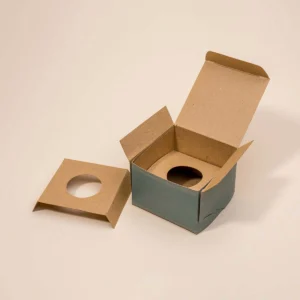
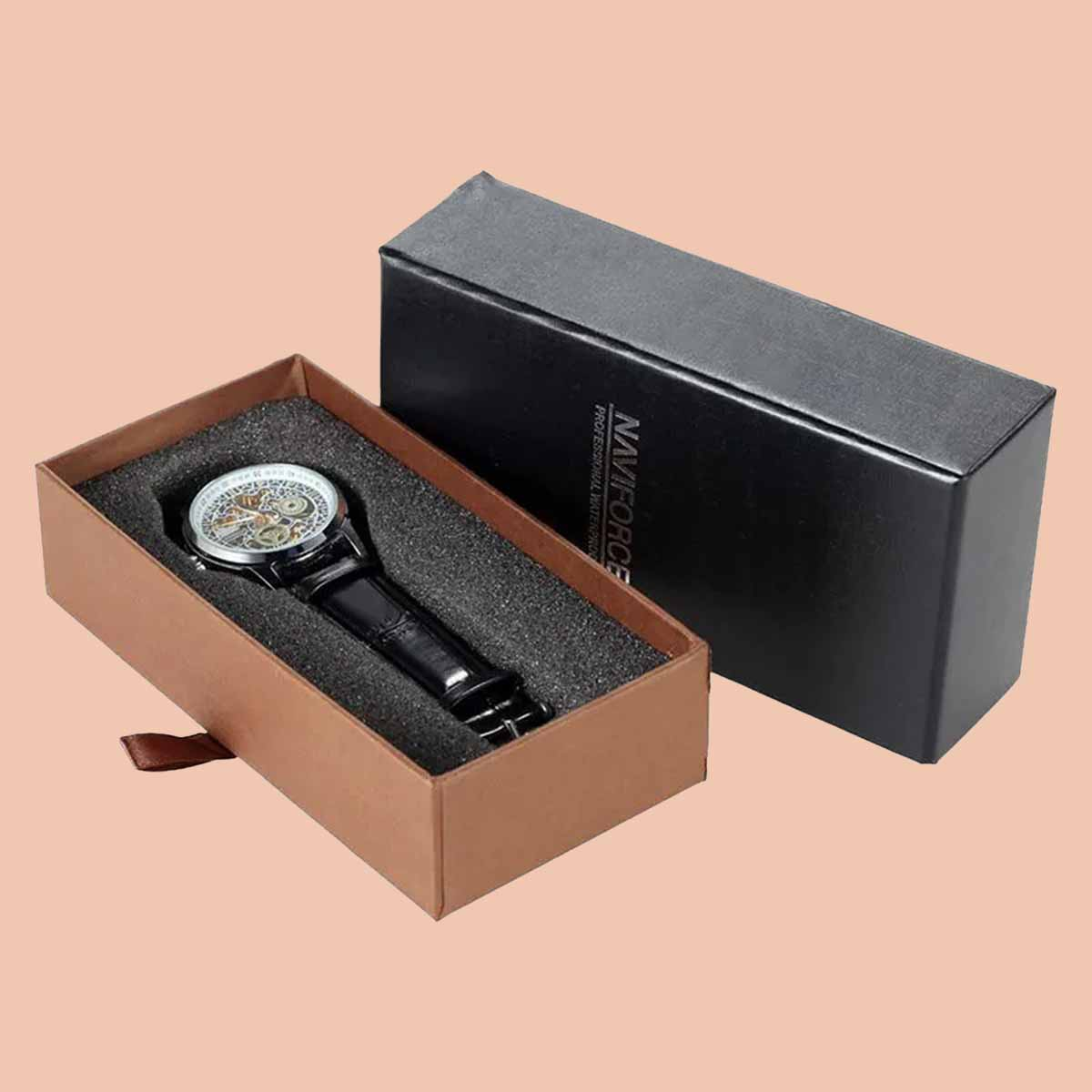
Corrugated Inserts help keep products in place during packing, storage, display, and delivery. These Packaging inserts use fluted board layers to create support, spacing, and product separation inside boxes, mailers, bags, and cartons.
Many brands use corrugated insert packaging when products need a firm hold without adding too much weight. Related options, such as Mini Cupcake Inserts, can work for smaller product layouts that need neat spacing and clean presentation.
Packaging inserts Built For Product Support
Packaging inserts are inner pieces that sit inside the outer packaging. They hold products in a set position and reduce movement during handling. Corrugated material adds strength because the fluted layer absorbs pressure better than a flat board.
Corrugated Inserts work well for items that need spacing, stacking support, product separation, or a cleaner unboxing layout. Buyers often choose them for food items, glass jars, bottles, cosmetics, retail goods, tools, electronics, and sample kits.
Common product benefits
- Help reduce product movement inside boxes
- Keep multiple items separated in one pack
- Support light, medium, and heavier products
- Improve product layout inside mailers and cartons
- Work with printed or plain packaging styles
- Support custom sizes and styles available
How buyers usually select the insert style
- Confirm the product size and weight.
- Measure the outer box or mailer.
- Decide if the item needs slots, dividers, holes, or layers.
- Choose plain, printed, coated, or branded board.
- Review the sample layout before bulk production.
| Feature Focus | Available Detail | Helpful Note |
|---|---|---|
| Material strength | Single-wall or double-wall corrugated board | Choose by product weight |
| Product hold | Slots, holes, folds, or dividers | Based on item shape |
| Print option | Plain, one color, or full color | Good for branded inserts |
| Order type | Small or wholesale runs | Wholesale pricing available |
| Outer pack fit | Mailers, boxes, cartons, or bags | Match the insert to the pack size |
Why Corrugated Material Works Well
Corrugated board has a fluted center layer between liner sheets. This structure gives the insert a cushioned feel while keeping the pack light. It also helps manage pressure when products shift during handling.
Cardboard inserts for packaging can use different board grades. A small candle may need a light insert, while glass bottles or heavier jars may need heavy-duty corrugated inserts. Material choice affects product hold, cost, and packing speed.
Choosing The Right Board Strength
Board strength should match the product’s weight, shape, and fragility. A weak insert can bend under pressure. A board that feels too thick may take extra room inside the box.
Large corrugated inserts need more attention because longer panels can flex. In this case, dividers, support tabs, or a thicker board can help keep the layout stable.
Material choices to review
- Single-wall corrugated board for everyday product support
- Double-wall corrugated board for heavier items
- Kraft corrugated board for a natural look
- White corrugated board for clean presentation
- Printed corrugated board for brand details
- Coated board with Gloss, Matte, and Spot UV coating options
Steps before final material approval
- Weigh the product with all contents.
- Measure height, width, and depth.
- Check if the product has glass, sharp edges, or soft corners.
- Confirm how many items sit in one pack.
- Test how the insert fits inside the outer box.
| Material Options | Usage Application | Helpful Note |
|---|---|---|
| Kraft corrugated | Natural product packaging | Good for simple branding |
| White corrugated | Retail and gift packaging | Gives a clean surface |
| Printed board | Brand-focused packaging | Works with logos and details |
| Double-wall board | Heavy items and bulk packs | Adds stronger support |
| Coated board | Display-ready inserts | Gloss, Matte, and Spot UV available |
Custom Layouts For Better Product Fit
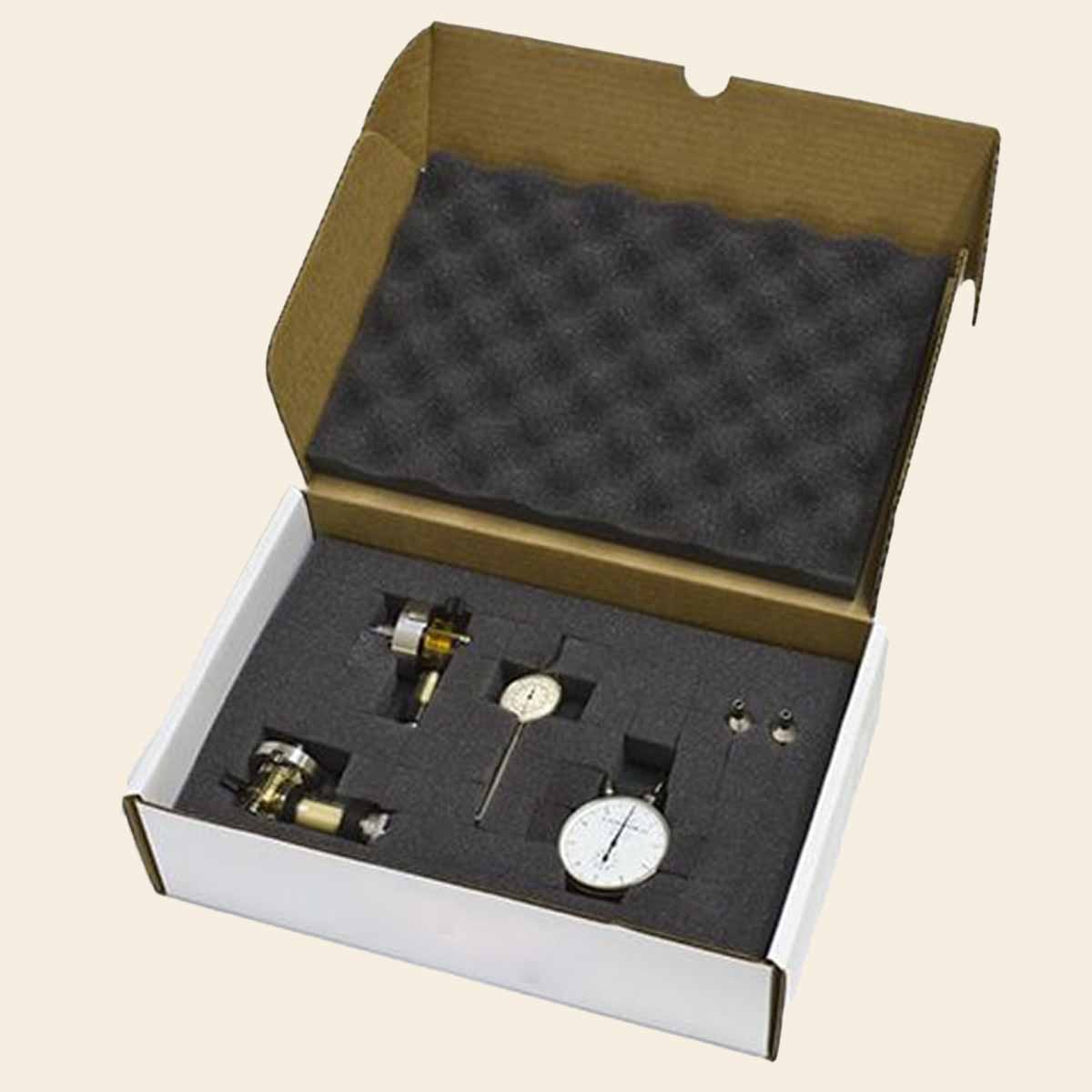
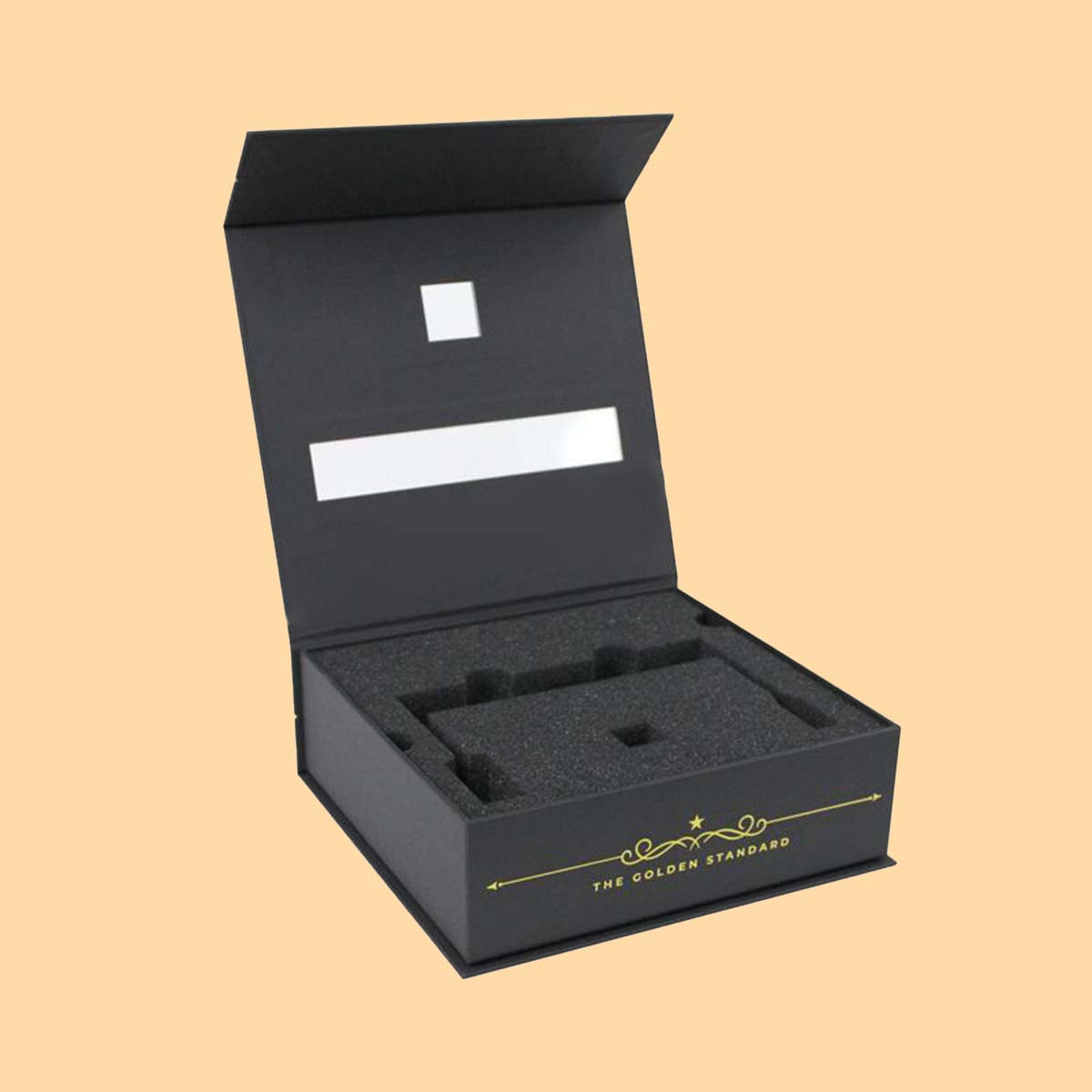
Custom cardboard inserts help products sit in a planned position instead of moving loosely inside the pack. A good layout can include slots, cutouts, divider walls, locking tabs, raised panels, or layered sections.
Cardboard inserts for mailers need accurate sizing because mailers often have limited inner space. A small size error can make the mailer hard to close or allow the product to move. Good insert planning keeps packing smooth and consistent.
Corrugated Dividers For Multi-Item Packs
Corrugated dividers separate two or more products inside one box. They help reduce product contact and keep each item in its own area. These dividers work well for bottles, jars, tubes, cups, ornaments, candles, and product bundles.
Brands often use dividers when they want to pack mixed items together. For example, a kit may include a jar, bottle, card, and small accessory. Each item can sit in a separate section.
Layout options for inserts
- Straight dividers for equal product spacing
- Cross dividers for multiple compartments
- Die cut holes for bottles, jars, or tubes
- Folded trays for shallow product support
- Layered inserts for stacked product sets
- Cardboard inserts for bags where shape support matters
Details to confirm for the custom layout
- Product count per box.
- Each product’s exact size.
- Space needed between items.
- Outer box inner dimensions.
- Required print areas and coating areas.
- Packing method used by the team.
Wholesale Corrugated Inserts For Bulk Orders
Wholesale corrugated inserts help brands keep insert size, shape, and material consistent across larger product runs. This matters when every product needs the same fit inside mailers, boxes, or cartons.
Many buyers use Wholesale Product Solutions when they need corrugated pieces for different product lines. Wholesale corrugated inserts can also reduce per-unit cost when size, board, printing, and cut style stay consistent.
Order Planning For Smooth Production
Bulk insert orders need clear details before production starts. The most important points include size, quantity, board type, printing needs, coating choice, and outer packaging size.
Fast turnaround times based on order details depend on layout complexity, material choice, print coverage, and quantity. Simple, plain inserts usually move faster than printed inserts with multiple cuts, coatings, and add-ons.
Wholesale order details to prepare
- Product size and product weight
- Outer box or mailer inner dimensions
- Required quantity
- Material grade and board color
- Print artwork or logo file
- Coating choice such as Gloss, Matte, or Spot UV
- Shipping address and delivery target
- Need for free design and shipping on qualifying orders
Simple wholesale ordering steps
- Share product and box measurements.
- Select board type and insert style.
- Send logo or artwork details.
- Review the layout proof.
- Approve the sample or digital layout.
- Confirm bulk quantity and production details.
| Feature Focus | Available Detail | Helpful Note |
|---|---|---|
| Order size | Short runs and wholesale orders | Larger runs may lower unit cost |
| Design support | Layout help available | Free design on qualifying orders |
| Shipping support | Shipping options based on the order | Free shipping on qualifying orders |
| Print quality | High-quality material and printing options | Works for logos and product details |
| Turnaround | Based on quantity and layout | Complex cuts may need more time |
Printing And Finish Choices For Corrugated Inserts
Printed Corrugated Inserts can support product branding without making the outer box too busy. Some brands print only a logo. Others add product names, handling notes, batch sections, or simple line artwork.
Coating choices change how the printed surface feels and looks. Gloss coating gives a brighter surface. Matte coating gives a softer finish. Spot UV can highlight a logo, name, or selected printed area.
Add-ons That May Fit Some Products
Some insert projects also connect with outer packaging features. Heat seal, zipper, tear notch, hang hole, and window options may apply when the insert sits inside a pouch, bag, display pack, or retail set.
These add-ons do not suit every corrugated insert. They make sense when the full packaging style needs sealing, hanging, easy opening, product viewing, or resealing support.
Printing and finish choices
- Full color printing for branded product layouts
- Logo printing on top panels
- Product name or batch printing
- Gloss coating for brighter print areas
- Matte coating for a smooth, muted finish
- Spot UV for selected logo or detail areas
- Window pairing where product visibility matters
Add-ons to review by pack type
- Heat seal for certain pouch or bag styles.
- Zipper for resealable bag packaging.
- Tear notch for easy opening.
- Hang hole for peg display packaging.
- Window for product visibility.
- Insert backing for shape support.
| Finishing Choices | Available Detail | Usage Application |
|---|---|---|
| Gloss | Brighter surface | Printed logo or full color areas |
| Matte | Soft non-shiny finish | Clean product presentation |
| Spot UV | Raised shine on selected areas | Logo or name highlight |
| Window pairing | Clear product view | Retail display packs |
| Hang hole pairing | Peg display support | Lightweight display goods |
Details Buyers Should Confirm Before Ordering
Correct measurements matter more than anything else when ordering Corrugated Inserts. Even a small size difference can affect product hold, box closing, or packing speed. Always measure the product and the inside of the outer pack.
Buyers should also confirm how the product ships and how workers pack it. A design that looks good on screen may need small changes when used in daily packing. Inserts Hub can help review the layout based on product size, order quantity, and material choice.
Fit Testing For Heavy And Large Items
Heavy-duty corrugated inserts require strong board, proper spacing, and pressure points in the right places. The insert should hold the item without bending, tearing, or pushing against the outer box too much.
Large corrugated inserts may need support lines, fold locks, or divider walls. These details help keep the insert steady during handling and storage.
Important buyer checklist
- Product length, width, height, and weight
- Number of items per box
- Fragile areas or sharp product edges
- Outer box inner size
- Desired insert style
- Material grade
- Coating and printing needs
- Bulk quantity and delivery schedule
Common mistakes to avoid
- Measuring the outside of the box instead of the inside.
- Ignoring product weight.
- Leaving too much space around the item.
- Choosing a thin board for heavy goods.
- Sending low-quality artwork for printed inserts.
- Ordering bulk before reviewing fit.