


Description
Custom Boxes With Foam Inserts For Secure Packaging
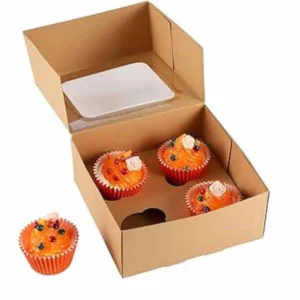
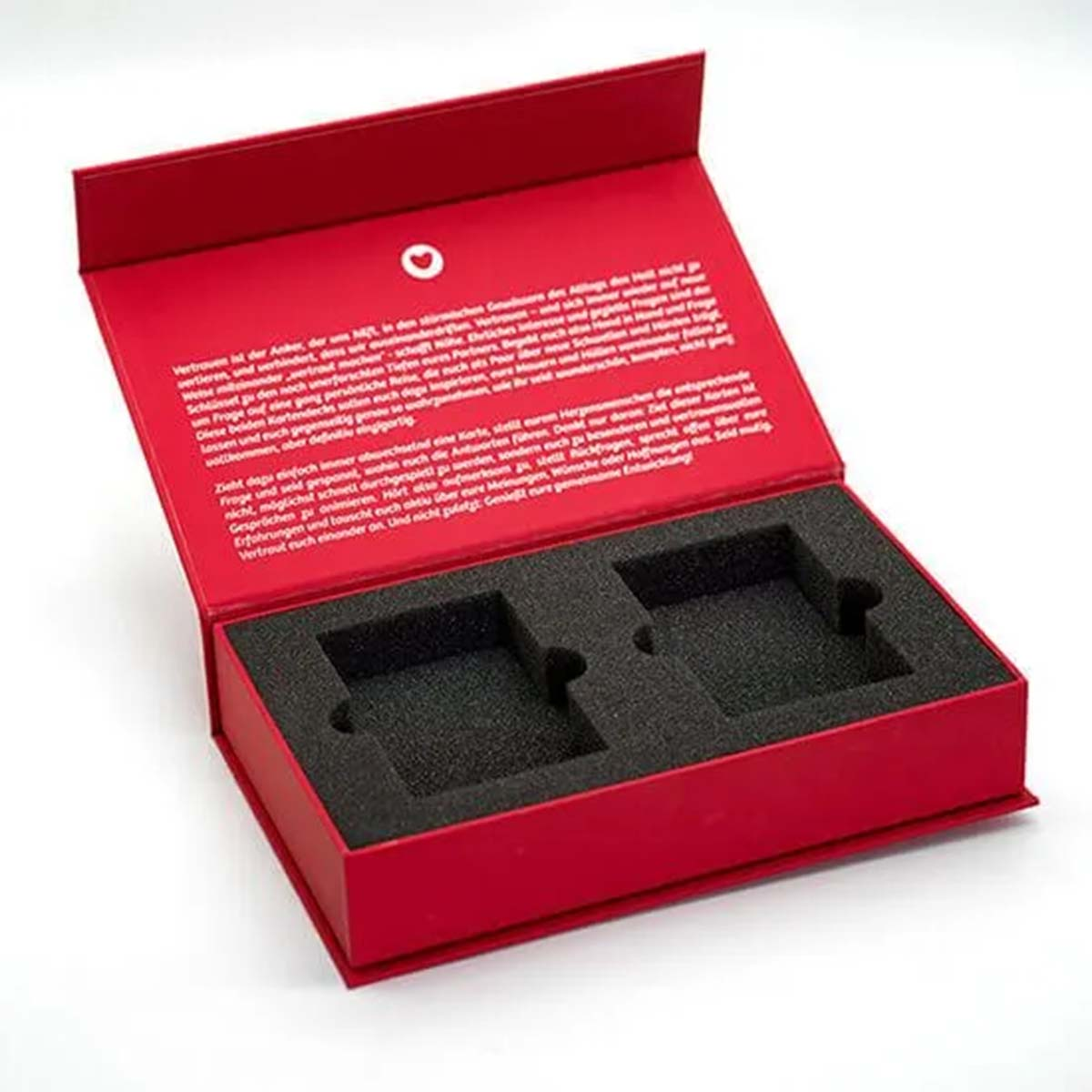
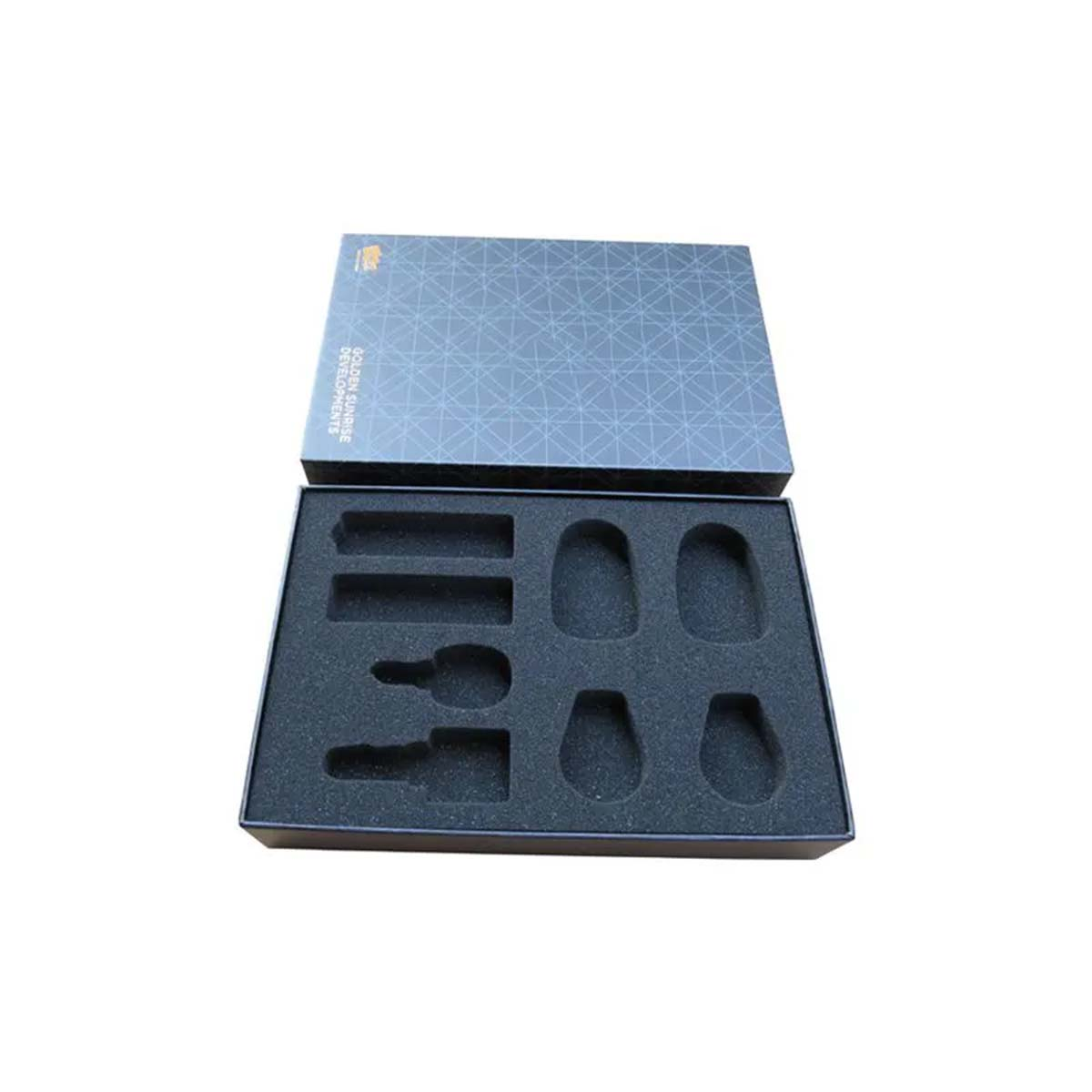
Custom boxes with foam inserts help keep products stable, protected, and neatly placed inside the box. These boxes use shaped foam cavities to hold items in position, which helps reduce movement during packing, storage, handling, and delivery.
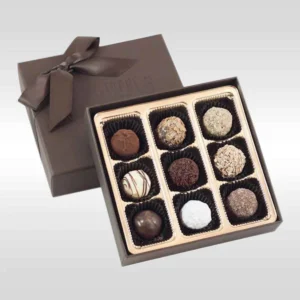
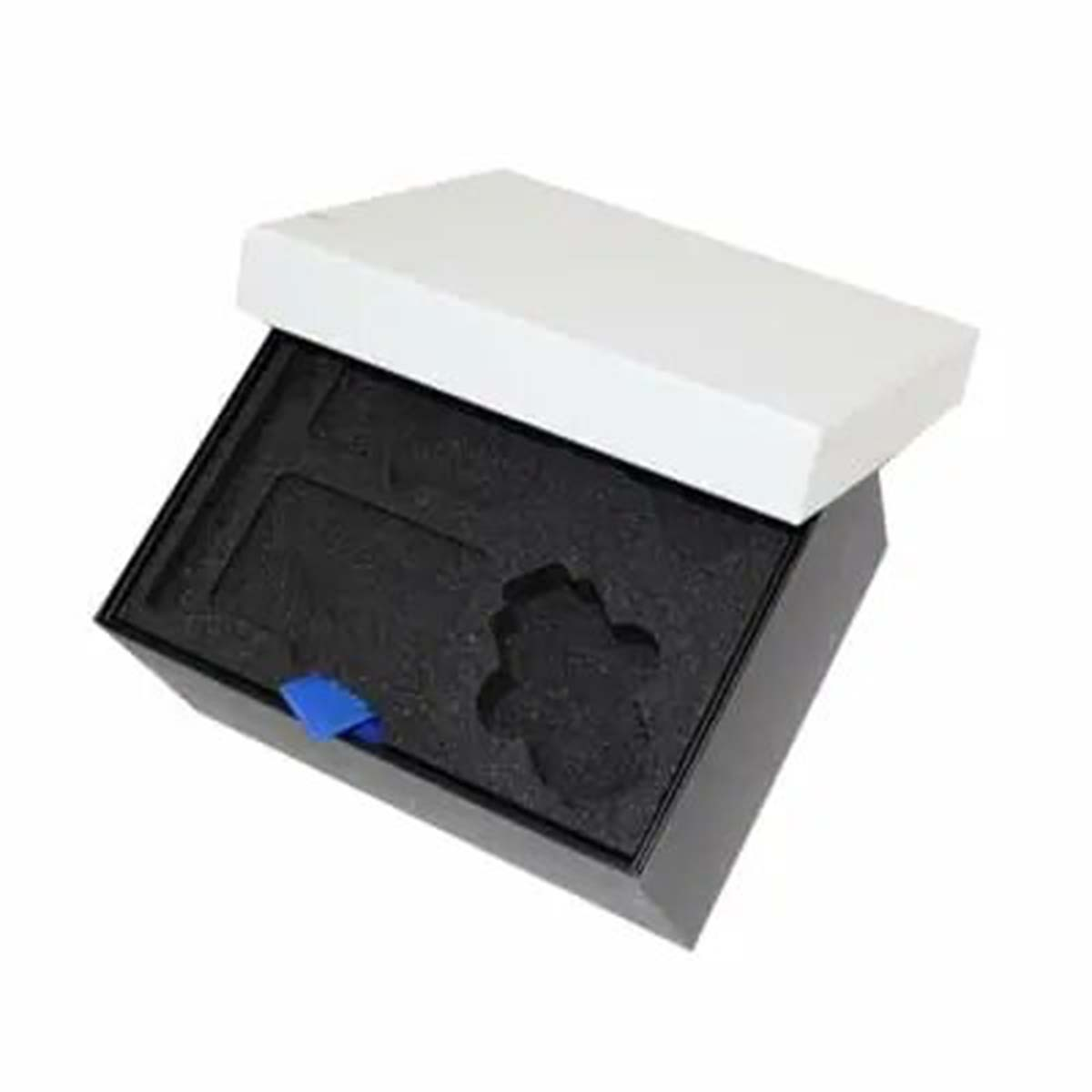
Products that need a close inner hold can use foam insert packaging inside rigid boxes, mailer boxes, display boxes, or gift packaging. The inner foam layer helps keep items separated, steady, and better protected during handling, while Custom Foam Inserts can be shaped around different product sizes, edges, and layouts. Inserts Hub offers Custom Boxes With Foam Inserts at wholesale prices, with custom sizes and styles available for many product shapes.
Foam Insert Packaging Boxes For Product Protection
Foam insert packaging boxes are packaging boxes with cut foam pieces placed inside the box. The foam is shaped around the product so it stays firm, clean, and easy to present.
These boxes work well for fragile items, glass products, jars, bottles, tools, cosmetics, devices, candles, and gift products. The foam helps keep the item away from the box walls and other products.
Main benefits for buyers
- Helps reduce product movement inside the box
- Keeps products in a fixed and clean position
- Supports fragile, heavy, or shaped items
- Works for single products and multi-item sets
- Custom sizes and styles available
- Suitable for wholesale and retail packaging needs
How to choose the right foam box
- Measure the product from all sides.
- Check product weight and fragile points.
- Choose a box style for the product.
- Select foam thickness and cavity depth.
- Review printing, coating, and finish options.
| Feature Focus | Available Detail | Material Options | Finishing Choices | Usage Application |
|---|---|---|---|---|
| Product hold | Foam cavities are shaped around the item | EVA foam, PE foam, cardboard, rigid board | Plain, printed, Gloss, Matte | Bottles, jars, tools, cosmetics |
| Inner support | Keeps the product steady inside the box | Firm foam or soft foam | Spot UV on selected areas | Gift boxes and retail packs |
| Box structure | Made around the product and foam size | Rigid board, corrugated board, paperboard | Full color printing | Display kits and sample sets |
| Product layout | Single or multi-item placement | Foam with cardboard box support | Matte or Gloss coating | Product kits and presentation boxes |
Why Foam Inserts Matter Inside Boxes
Foam inserts matter because they give the product a planned space. Loose packaging may let products shake, rub, or tilt inside the box.
Boxes with protective foam inserts help protect product edges, caps, labels, glass surfaces, and delicate finishes. They also make the product easier to remove when the buyer opens the box.
Custom Foam Insert Boxes For Better Fit
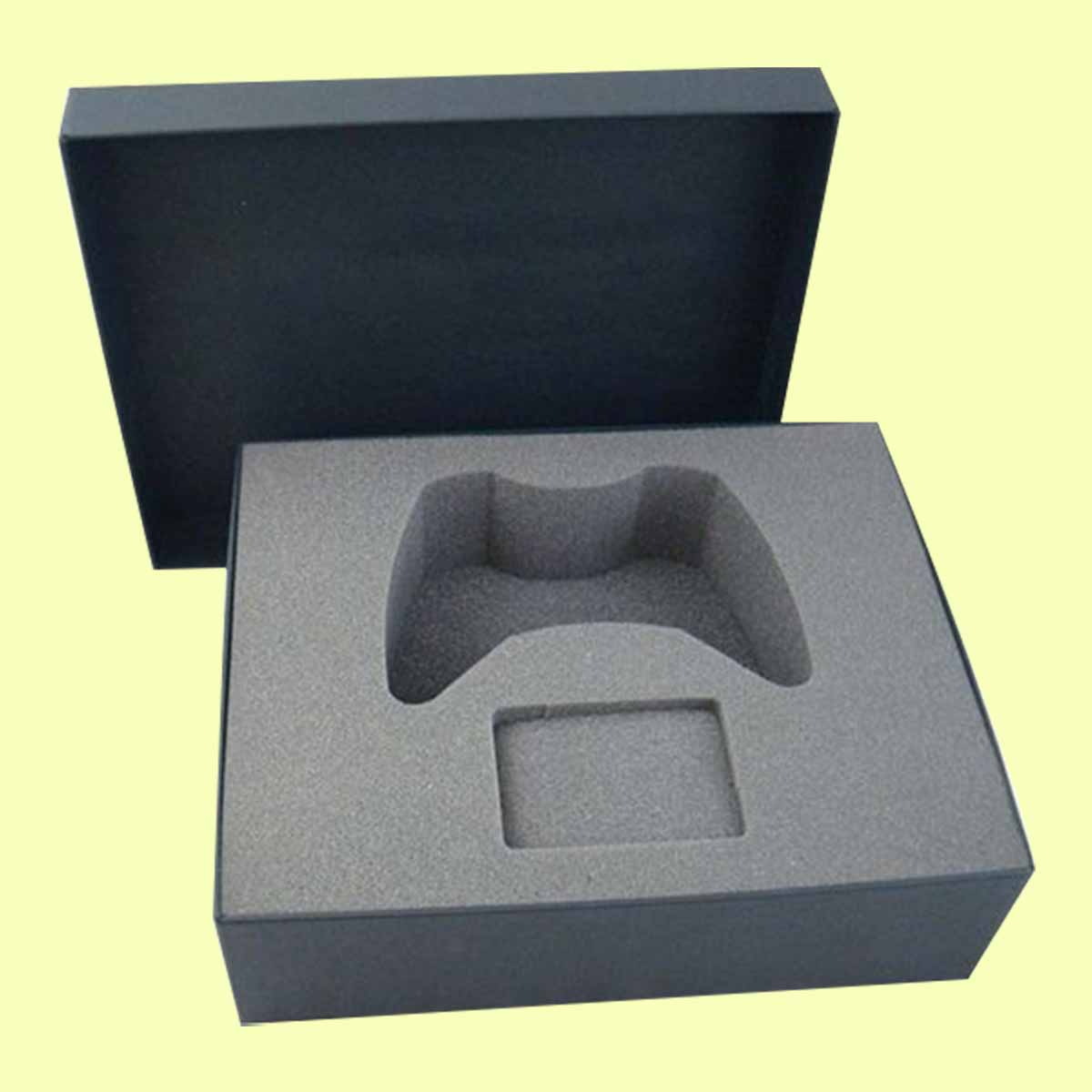
Custom foam insert boxes are made around the product size and box space. The foam cavity can match round, square, tall, flat, or mixed product shapes.
Brands that need safer packing often use inserts to keep product sets organized, reduce direct contact, and support cleaner placement inside boxes. During packing, Product protection inserts help teams place each item in the same position every time, which can reduce movement during handling and improve order consistency. This structure also helps separate fragile items, grouped products, samples, and retail sets without making the box layout confusing.
Important sizing details
- Product length, width, height, and weight
- Inner box dimensions
- Number of products in one box
- Foam thickness and cavity depth
- Space needed between each item
- Product shape and fragile areas
Steps for better foam planning
- Measure the product at the widest points.
- Share the exact inner box size.
- Pick foam type based on product weight.
- Choose one cavity or multiple cavities.
- Review the foam layout before production.
| Feature Focus | Available Detail | Helpful Note |
|---|---|---|
| Product fit | Foam cut around product shape | Use exact product measurements |
| Foam depth | Based on product height | Helps keep the item steady |
| Box size | Planned around foam and product layout | Inner size matters most |
| Product spacing | Separate cavities for each item | Reduces product contact |
| Packing flow | Easy product placement | Helps staff pack neatly |
Material Choices For Foam Lined Boxes
Material choice affects protection, product hold, box feel, and presentation. Foam-lined boxes can use soft foam, firm foam, rigid board, cardboard, or corrugated material.
Light products may need thinner foam. Heavy products may need denser foam with a stronger outer box. A glass item, candle set, bottle kit, or tool set may need deeper foam support.
Boxes With Protective Foam Inserts For Daily Packing
Boxes with protective foam inserts are useful when standard inserts do not give enough cushioning. Foam helps hold the product while the outer box gives structure and shape.
Custom packaging with foam inserts can also support product display. A clean foam cutout can make each product look organized without loose filler inside the box.
Material choices to review
- EVA foam for firm product hold
- PE foam for light cushioning
- Rigid boxes for display and gift products
- Corrugated boxes for stronger shipping support
- Cardboard boxes for regular product packing
- Paperboard sleeves for selected box styles
How material affects packaging
- Firm foam gives better shape control.
- Soft foam gives gentle cushioning.
- Rigid board gives a cleaner box feel.
- Corrugated board supports heavier products.
- Printed board supports brand details.
| Material Options | Available Detail | Finishing Choices | Helpful Note |
|---|---|---|---|
| EVA foam | Firm support for shaped products | Clean cut finish | Good for display packaging |
| PE foam | Lightweight product cushioning | Plain foam finish | Useful for delicate items |
| Rigid board | Strong outer box structure | Gloss, Matte, Spot UV | Good for gift and retail boxes |
| Corrugated board | Extra shipping support | Plain or printed finish | Helps with heavier products |
| Cardboard | Standard product box material | Full color printing | Works for many product types |
Printed Boxes With Foam Inserts For Branding
Printed boxes with foam inserts can include logos, product names, patterns, color panels, and simple brand details for a cleaner packaging layout. The foam insert supports the product in place, while the Inserts Hub can help align the printed box style with the insert shape, product size, and presentation needs. This balance improves both inside support and outside appearance without making the packaging look crowded.
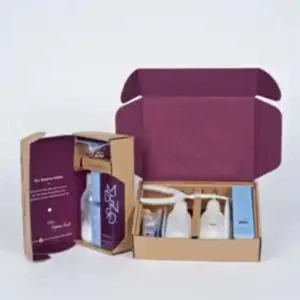
Custom presentation boxes with foam inserts are often used for gift products, sample kits, retail sets, cosmetic items, candle packs, tools, and small devices. A planned foam layout helps every item sit in its own place.
Custom Packaging With Foam Inserts For Sets
Custom packaging with foam inserts can hold one product or several items in one box. It can include one foam cavity, multiple cavities, layered foam, finger notches, and shaped cutouts.
The box can also include coating options such as Gloss, Matte, and Spot UV. These finishes help match the printed surface with the product style and artwork.
Custom layout options
- Single product foam cavity
- Multi-item foam insert layout
- Layered foam for deeper products
- Finger notch for easy product removal
- Printed box panels with logo and product text
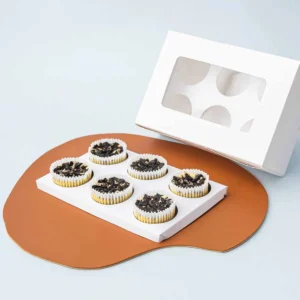
- Window option where product viewing is useful
Details to prepare before ordering
- Product count per box.
- Product size and shape.
- Foam color and thickness.
- Box style and opening style.
- Artwork or logo file.
- Coating choice.
- Quantity and delivery needs.
| Feature Focus | Available Detail | Add Ons And Features | Usage Application |
|---|---|---|---|
| Product display | Foam cavities and printed panels | Custom sizes and styles available | Retail and gift packaging |
| Product access | Finger notches and open spaces | Easy product removal | Bottles, jars, tools, kits |
| Brand detail | Logo, product name, and artwork | High-quality printing options | Printed boxes with foam inserts |
| Product viewing | Window placement where needed | Clear viewing area | Display packaging |
| Order planning | Repeated size and foam layout | Wholesale pricing | Bulk product packaging |
Finishing Options For Foam Insert Gift Boxes
Foam insert gift boxes can use different finishes based on product style and artwork. Gloss gives the printed box a brighter surface. Matte gives a smooth, low-shine look. Spot UV can highlight selected areas, such as a logo or product name.
Some packaging styles may also support heat seal, zipper, tear notch, hang hole, or window options where relevant. These details depend on the complete box or outer packaging style.
Premium Foam Insert Packaging For Retail Products
Premium foam insert packaging helps products look more organized inside the box. It gives each item a set place and reduces the need for loose packing material.
This type of packaging works well for items that need both product safety and neat presentation. The foam shape, box material, and printing should all match the product size and weight.
Finish and add on choices
- Gloss coating for brighter printed areas
- Matte coating for a smooth box surface
- Spot UV coating for selected details
- Window option for product viewing
- Hang hole for selected retail packs
- Tear notch, zipper, or heat seal where relevant
How to decide finish details
- Choose Gloss for brighter artwork.
- Choose Matte for a low shine surface.
- Use Spot UV for logo focus areas.
- Add a window when product viewing matters.
- Select hang hole details for retail display needs.
| Finishing Choices | Available Detail | Add Ons And Features | Usage Application |
|---|---|---|---|
| Gloss coating | Brighter printed surface | Logo and artwork areas | Retail foam insert boxes |
| Matte coating | Smooth, low shine finish | Clean brand panels | Gift and display boxes |
| Spot UV coating | Highlighted selected details | Logo or product name | Printed packaging |
| Window option | Product viewing support | Clear window placement | Display-ready boxes |
| Hang hole option | Peg display support | Hole placement planning | Lightweight retail packs |